A tree does not need to be removed simply because it has grown large, dropped a limb, or begun to shade part of a property. Equally, leaving a declining or poorly structured tree untouched can create a genuine safety issue. Sustainable tree care is about making the right call for the tree, the people around it and the land it grows on – not applying a one-size-fits-all solution.
For homeowners, property managers, developers and rural landholders, that approach delivers practical benefits. Healthy trees can add shelter, habitat, privacy and character, while planned maintenance helps avoid urgent, expensive work after storms. The key is to assess the whole situation before a saw comes out.
What sustainable tree care looks like in practice
Sustainability in arboriculture is not just about keeping every tree standing. It means protecting trees that have a realistic future, intervening early where maintenance can reduce risk, and removing trees responsibly when they are dead, unsafe, invasive, unsuitable for the site, or preventing sensible land use.
A good outcome starts with tree health and structure. An arborist will look at the canopy, branch unions, trunk condition, root zone, soil, past pruning, nearby buildings and services, and the tree’s position in the wider landscape. A mature tree with a manageable defect may benefit from targeted pruning or cabling and bracing. A tree with extensive decay near a house, public accessway or work area may need removal despite its environmental value.
That judgement matters. Cutting too hard can stress a tree, trigger weak regrowth and shorten its useful life. Delaying necessary work can leave a property exposed to falling branches, root damage or storm failure. Sustainable management sits between those two extremes.
Start with the tree’s long-term role
Before arranging any work, consider what the tree is meant to do on your property. A specimen tree near a home may provide summer shade and visual value. Boundary planting may offer screening from neighbours or road noise. Trees on a commercial site can improve presentation and make outdoor areas more comfortable. On rural or development land, vegetation may contribute to shelter, erosion control, biodiversity or future woodland creation.
Once the role is clear, it is easier to choose the right work. Pruning may be used to improve clearance from a roof, driveway or powerline corridor while retaining the tree’s natural shape. Deadwood removal can reduce risk without reducing a healthy canopy. Selective crown reduction may manage a tree that has outgrown its available space, although it needs to be done carefully and only where appropriate for the species and condition.
Sometimes the most sustainable option is replacement. A tree planted too close to a building or in poor soil may never thrive, no matter how often it is trimmed. Removing it and selecting a species suited to the space, climate and mature size can prevent repeated maintenance and create a better result over time.
Pruning is not simply making a tree smaller
Correct pruning works with a tree’s biology. Cuts should be purposeful, properly placed and limited to what the tree can tolerate. Poor cuts, excessive canopy removal and topping can create decay entry points and fast, weak shoots that are more likely to fail later.
For that reason, the desired outcome should guide the scope of work. Is the priority safe access, improved light, reduced wind loading, better form, or clearance from structures? Clear objectives help keep pruning measured and effective rather than overly aggressive.
Protect roots and soil during property work
The condition of a tree above ground often reflects what is happening below it. Roots need oxygen, moisture and enough uncompacted soil to function. Construction activity, vehicle traffic, trenching, changes to ground level and storing materials beneath a canopy can all damage the root zone, sometimes without obvious symptoms for several years.
This is particularly relevant for developments and major landscaping projects. Early arboricultural advice can identify trees worth retaining, map protection areas and help plan access, services and building footprints around them. It is generally far easier to protect a valuable tree before work begins than to deal with a declining tree after the job is finished.
For existing homes and commercial sites, simple habits also help. Avoid piling soil, mulch, pavers or rubbish against the trunk. Keep repeated vehicle movements away from the root area where possible. If excavation is required near a significant tree, seek advice before digging. A small change in the location of a trench can make a major difference to root loss.
Make use of green waste responsibly
Tree work creates material, but it does not all need to become waste. Wood chips can be used as mulch in suitable garden beds, helping retain soil moisture, moderate temperature and suppress weeds. They should be spread loosely rather than packed against trunks or stems, where damp material can encourage problems.
Suitable timber may be retained for firewood, milling or habitat use, depending on its condition and the site. On larger properties, chipped material can be managed on site where this supports soil health and does not create a fire, access or pest issue. In other situations, removing and processing green waste is the cleaner option.
There are trade-offs. Diseased material may need careful handling rather than being spread around a property. Large volumes of mulch can overwhelm a small section, and fresh chips are not appropriate for every application. Responsible disposal and reuse are both part of sustainable tree care, but the best method depends on the tree, site and intended use.
Plan maintenance before it becomes an emergency
Emergency tree work is sometimes unavoidable. Canterbury weather can bring strong winds, heavy snow in some areas and sudden storms that expose weak limbs or unstable trees. After an event, the immediate priority is making the area safe, particularly around homes, roads, accessways, fences and power services.
However, regular inspections often identify warning signs before they become urgent. Look for dead branches, cracking at branch unions, new leaning, fungal growth around the base, hollow sections, lifting soil near roots, or branches rubbing on buildings. These signs do not automatically mean a tree is dangerous, but they are worth professional assessment.
For commercial properties and managed grounds, scheduled maintenance also makes budgets and site access easier to organise. Work can be completed outside busy periods, with appropriate traffic or pedestrian controls where needed, and with a clear plan for cleanup. It is a safer, more efficient way to manage tree assets than waiting for a failure.
Check consent and protected-tree requirements early
Some tree work is subject to council rules, resource consent conditions, development requirements or protected-tree provisions. The requirements can vary according to location, the tree’s size and species, site zoning, heritage status and the nature of the proposed work.
Do not assume that a tree on private land can be removed or heavily pruned without checks. Getting advice early can prevent delays, avoid non-compliant work and help shape a practical management plan. This is especially valuable when trees sit near boundaries, public land, waterways, new builds or subdivision works.
Formal assessments can also provide useful documentation for property managers, developers and organisations with duty-of-care responsibilities. A written assessment can record condition, risks, recommended actions and inspection timeframes, giving decision-makers a sound basis for planned work.
Choose capability over quick fixes
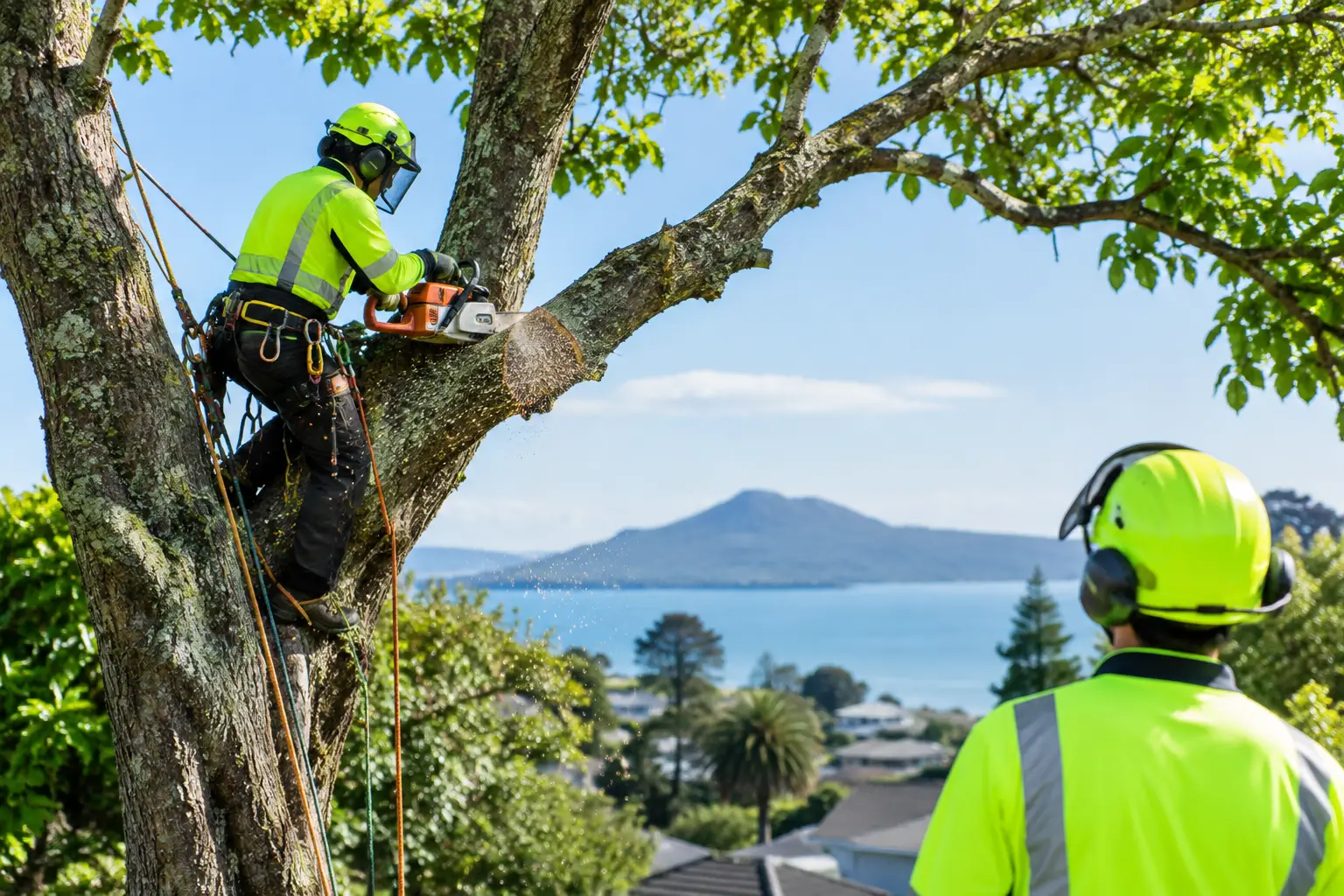
Sustainable outcomes rely on safe, skilled work. Tree care can involve climbing, elevated platforms, rigging, chipping equipment, traffic management and work around structures or services. Proper equipment, trained crews and careful site planning protect people, buildings and the trees being retained.
Tree Technician brings arboricultural judgement together with practical site capability, from routine pruning and hedge work to hazard management, protected-tree work and large-scale land clearing. Health and Safety is in our DNA, but so is leaving a site tidy and making the process straightforward for the client.
The best time to make a decision about a tree is usually before it becomes a problem. A well-timed inspection can preserve a healthy tree, reduce risk around the property and give you a clear path forward.
For practical, professional tree advice and care, visit www.treetechnician.co.nz
Get a free quote
Contact Tree Technician for a free, no-obligation quote.
Explore Tree Trimming & Pruning