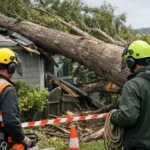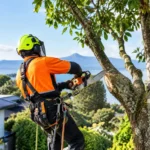
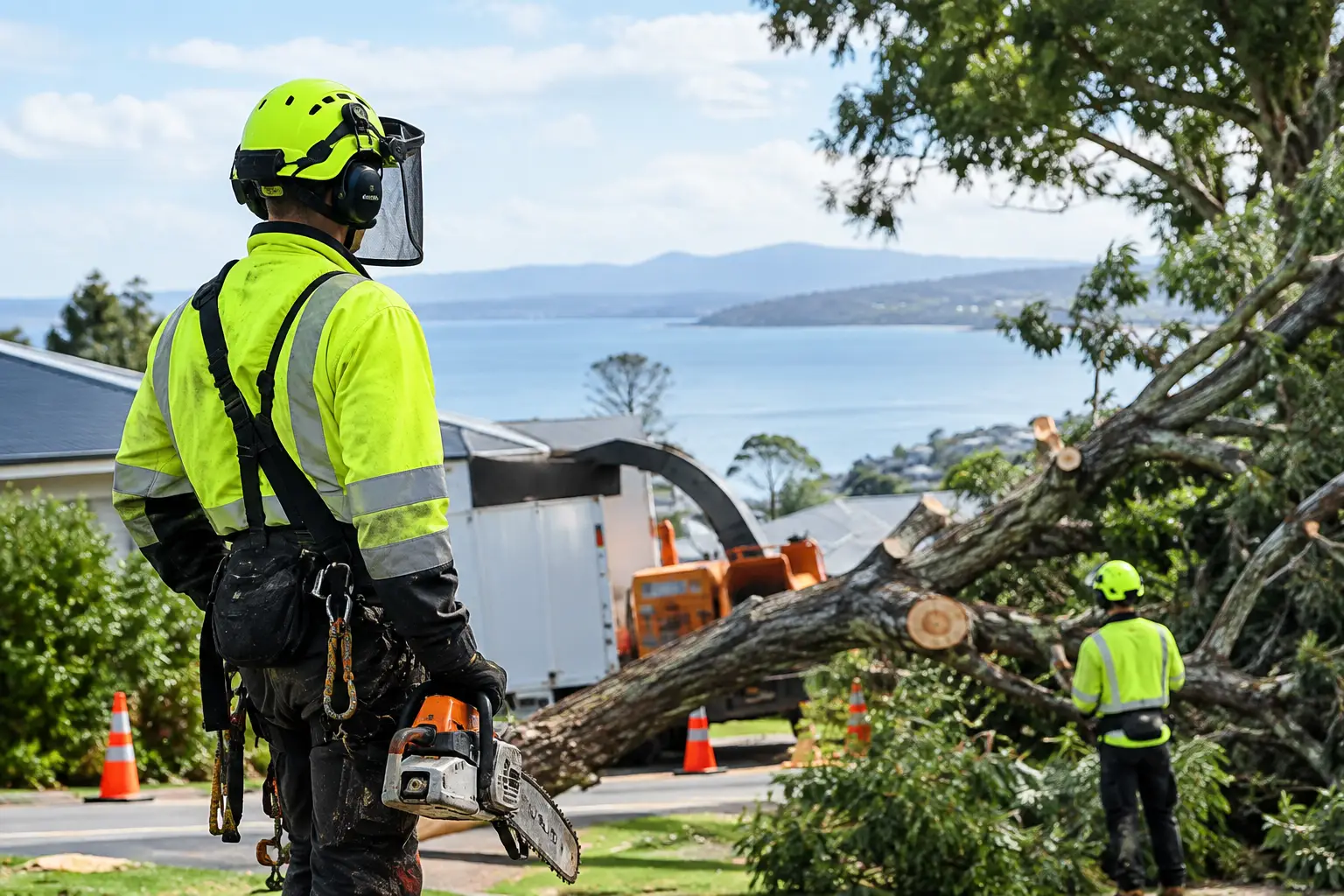
A tree does not need to fall completely to create an emergency. A split limb hanging above a driveway, a leaning trunk after high wind, or roots lifting around a boundary can all put people and property at risk. This emergency tree service review explains what a capable response should look like, what questions to ask, and why the quickest arrival is not always the safest solution.
For homeowners, property managers and rural landholders, the first job is to keep clear of the danger area. Do not stand beneath damaged branches, attempt to pull debris down, or use a ladder and chainsaw to make a quick fix. If power lines are involved, treat the situation as live and stay well away. A professional arborist can then assess the tree, set up a safe work zone and choose the right method to make the site safe.
What an emergency tree service should do first
A proper emergency response begins with risk control, not cutting. The crew should identify what could fail next, who or what may be affected, and whether access is safe for people, vehicles and machinery. A limb over a garden can be managed very differently from one suspended over a roof, footpath, road or neighbouring property.
The initial assessment should consider the tree’s lean, cracks in major stems, torn bark, root plate movement, decay, wind exposure and nearby structures. It should also account for weather. Strong gusts, saturated ground or continuing lightning can make immediate climbing or elevated work unsafe. In some cases, the safest decision is to isolate the area and return when conditions allow controlled removal.
That is not a delay for delay’s sake. It is sound hazard management. Emergency work often takes place when a tree is unstable, visibility is poor and access has been compromised. Rushing a crew into those conditions without a plan can create a second emergency.
Emergency tree service review: the signs of a reliable provider
When you are under pressure, it is easy to focus on one question: how fast can someone get here? Response time matters, especially where a tree blocks access, threatens a building or affects public safety. But an emergency tree service review should look beyond availability.
A reliable provider communicates clearly from the first call. They will ask practical questions about the tree, its location, access, damage, nearby power, whether anyone is in immediate danger and whether roads or driveways are blocked. Photos from a safe distance can help them prepare the right crew and equipment before arrival.
They should also explain what will happen next. That may include making the immediate hazard safe, removing damaged sections, retaining a stable part of the tree for later assessment, or arranging a return visit for stump grinding and full site restoration. A clear scope avoids assumptions at a stressful time.
Safety credentials and work planning
Tree work is specialised work. Emergency tree removal can require climbing systems, rigging, elevated work platforms, cranes, chippers and carefully managed drop zones. The right approach depends on the tree’s size, condition and surroundings.
Look for an arboriculture team that works to documented safety procedures, carries appropriate insurance and uses maintained professional equipment. For commercial sites and managed properties, recognised contractor prequalification can provide added confidence that health and safety systems are being applied consistently.
The team should not promise to fell a tree in one piece simply because it seems faster. Near homes, fences, glasshouses, vehicles or service lines, dismantling a tree in controlled sections is often the safer choice. It can take more planning, but it reduces the chance of further damage.
Qualified judgement, not just chainsaw work
Storm damage can reveal problems that were already developing inside a tree. A failed branch may point to poor branch unions, fungal decay, previous over-pruning, compacted soil or root damage. Removing what has fallen is only part of the job.
A skilled arborist considers whether the remaining tree can be retained safely. Sometimes targeted pruning, cabling and bracing, or monitoring may be appropriate. In other cases, removal is the sensible option because the structure has been compromised beyond repair. The answer depends on the species, defects, location and targets below it.
This is particularly important for mature trees that provide shade, privacy, habitat and character. A good emergency response protects people first while avoiding unnecessary removal where a sound management option exists.
Questions worth asking before the crew arrives
You do not need arboricultural knowledge to make a sensible enquiry. Ask whether the crew is available for emergency work, how they will assess the site, and whether they have the machinery needed for restricted access or large timber. Confirm how the work area will be managed if children, tenants, staff, neighbours or the public may be nearby.
It is also reasonable to ask what happens to the debris. Some emergency jobs require a rapid make-safe visit first, with cleanup completed afterwards. Others can include chipping, timber removal and a thorough tidy once the hazard has been dealt with. Knowing the plan helps you organise vehicle access and communicate with anyone affected by the work.
If the tree may be protected or subject to local planning controls, mention this early. Emergency action may be necessary to prevent injury or damage, but protected-tree requirements can still affect the work that follows. An arborist with consultancy experience can help document the condition of the tree and advise on appropriate next steps.
What you can do while waiting
Keep people, pets and vehicles away from the affected area. If a branch is over a driveway, use another access route rather than trying to pass beneath it. Do not park under a damaged canopy, even if the tree looks settled. Branches can shift after the first failure, particularly when wind returns.
If the tree is touching or close to electrical lines, do not touch the tree, fence, gate or anything else that could be energised. Contact the relevant electricity network or emergency services where there is an immediate threat to life or property. An arborist should only begin work around power after the appropriate safety controls are in place.
Take photographs from a safe position if you can do so without entering the danger zone. These can assist the emergency crew’s planning and provide a useful record of the damage. Avoid moving fallen timber unless it is clearly safe, light enough to handle and well away from overhead hazards.
The clean-up matters more than people think
Emergency work can leave a property looking rough before it looks better. There may be sawdust, chip, timber sections and compacted ground from access equipment. A professional service should leave the site orderly and explain any work that remains to be completed.
For residential clients, that often means removing or chipping debris, raking the main work area and checking that gates, paths and driveways are usable again. On commercial, rural or development sites, it may involve traffic management, separation of reusable mulch, timber handling and coordination with other contractors.
The best outcome is not simply a tree on the ground. It is a site that is safe, accessible and clearly managed after a difficult event.
After the immediate hazard is gone
Once the urgent work is complete, take the opportunity to assess nearby trees. Storms commonly expose weak limbs and structural defects that are not obvious from ground level. A planned inspection can identify trees that need deadwood removal, weight reduction, corrective pruning or formal assessment before the next major weather event.
For schools, body corporates, commercial properties and large rural holdings, a tree management plan can turn reactive callouts into a more predictable maintenance programme. It supports safer grounds, clearer records and better decisions about long-term tree health.
Tree Technician approaches emergency callouts with this balance in mind: make the hazard safe, protect the people and property around it, then provide practical arboricultural advice for what comes next. When a tree changes overnight, calm judgement and safe workmanship make all the difference.