A branch scraping the roof in a nor’wester, roots lifting paving, or a dead limb sitting above the driveway can turn a good-looking tree into a real property risk. Thoughtful tree maintenance keeps those issues from becoming urgent call-outs, while giving healthy trees the space and structure to thrive.
For homeowners, property managers, developers and rural landholders, the aim is not to cut every tree back hard. It is to make sound decisions early: retain the trees worth keeping, manage hazards properly, and plan work around the property, the season and any legal requirements.
What Good Tree Maintenance Actually Involves
Tree maintenance is a planned approach to managing a tree’s health, form, safety and relationship with its surroundings. Pruning is part of the job, but it is not the whole job. A well-managed tree may need selective removal of deadwood, clearance from buildings or powerlines, formative pruning when young, and occasional inspections after severe weather.
The right work depends on the species, age, condition and setting. A mature tree in a large rural paddock can often be managed very differently from the same tree growing beside a house, car park or public footpath. The closer a tree is to people, buildings and vehicles, the more carefully its structure and potential failure points need to be assessed.
Good maintenance also considers what should not be removed. Excessive cutting can create large wounds, encourage weak regrowth, reduce a tree’s natural defences and leave it more vulnerable in wind. Professional arboriculture is about measured intervention, not making a tree smaller at any cost.
The Warning Signs Worth Acting On
Trees do not always give obvious warning before a branch or stem fails. However, changes in their appearance can indicate that inspection is needed. Dead branches, hanging limbs, cracks at major branch unions, peeling bark, fungal growth around the base, cavities, sudden leaning and lifting soil near roots all deserve attention.
A tree that has recently lost a large limb should not be assumed safe because the remainder is still standing. The failure may reveal decay, a weak union or damage deeper in the canopy. Likewise, a tree that looks healthy from the ground can still have structural defects that are only visible during a closer inspection.
Pay attention after strong winds, prolonged dry periods, heavy rain or construction activity. Storms can overload branches and loosen root plates. Changes to ground levels, trenching, compaction and vehicle traffic around the root zone can affect a tree gradually, sometimes years after the work is finished.
If there is any concern about a tree above a home, accessway, playground, road or work area, keep people clear of the immediate area until it has been assessed. This is not the time for ladders, chainsaws or a quick fix from the ute. Tree work at height carries serious risks, particularly around unstable wood and powerlines.
Pruning for Health, Clearance and Shape
The best pruning has a clear purpose. Deadwood removal reduces the chance of brittle limbs falling. Clearance pruning creates sensible space from roofs, gutters, windows, driveways and service lines. Selective thinning can reduce crowding in parts of a canopy, while formative pruning helps young trees develop a stronger long-term framework.
Timing matters, although there is no single calendar rule for every tree. Some species respond better to pruning at particular times of year, and active nesting birds may affect how work is planned. Weather, access, tree condition and the reason for pruning also matter. A hazard branch should be dealt with promptly, rather than waiting for a preferred pruning season.
Avoid the temptation to top a tree. Removing the upper crown indiscriminately can leave large wounds and trigger fast-growing shoots that are poorly attached. It may produce a shorter tree in the short term, but often creates a more difficult maintenance problem later. Where size reduction is necessary, careful crown reduction using suitable growth points is usually a better approach.
Young Trees Need the Right Start
Young trees are cheaper and easier to guide than mature trees are to correct. Early pruning can remove competing stems, address poorly spaced branches and establish enough clearance above paths or driveways before conflicts develop.
It is also worth protecting the root zone. Keep mulch clear of the trunk, avoid piling soil against the base and limit compaction from vehicles or stored materials. Healthy roots support a stable, resilient tree, but they need air, water and room to spread.
Trees, Buildings and Infrastructure
Most established trees and buildings can coexist well when there is enough clearance and sensible monitoring. Trouble usually begins when branches contact roofs, gutters fill with leaf litter, roots meet poorly designed paving, or a tree has outgrown the available space.
Before removing a tree because of suspected root damage, seek an informed assessment. Roots may be involved, but cracks and surface movement can have other causes. On the other hand, repeated paving lift, blocked drains or structural pressure should not be ignored. Options can include targeted root management, revised landscaping, pruning, barriers or removal, depending on the tree and the site.
For commercial properties, regular inspections help prevent avoidable disruptions. A planned maintenance programme can schedule pruning outside busy operating periods, maintain vehicle and pedestrian clearance, and document work completed. That is particularly useful for schools, body corporates, accommodation sites, industrial yards and managed grounds where several trees need ongoing oversight.
Protected Trees and Development Sites
A tree may have planning controls attached to it because of its size, age, species, location or heritage value. Protected-tree work can require council approval before pruning, removal or even work within the root zone. The rules vary by site, so assumptions can be costly.
This is especially relevant before building work, subdivision, driveway installation or land clearing. Arboricultural input early in the design process can identify retainable trees, map root protection areas and reduce the chance that a construction plan damages trees intended to remain. It can also provide a clearer basis for consent applications, tree assessments and management plans.
The practical trade-off is straightforward: retaining mature trees can improve amenity, shelter and site character, but only where their condition and location make retention sensible. A compromised tree beside a proposed home or access route may need management that differs from a healthy specimen in open space. Each decision should account for risk, future use of the site and realistic maintenance requirements.
When to Bring in an Arborist
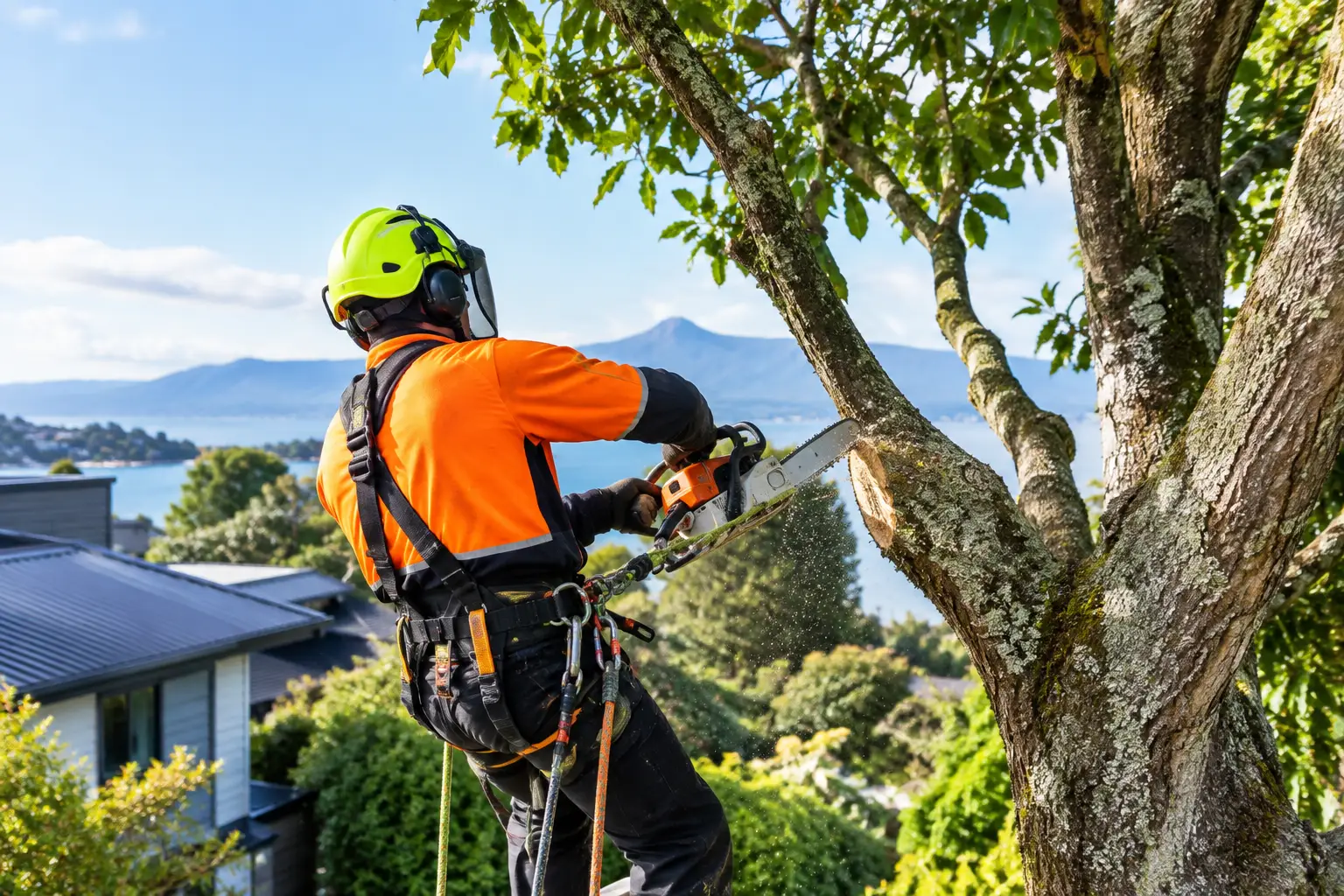
Routine garden tidying is one thing. Arboricultural work is needed when a tree is large, damaged, close to structures, affected by decay, near powerlines, protected, or located where falling material could harm people or property. Specialist equipment, trained crews and a site-specific safety plan make a meaningful difference.
An experienced arborist can assess whether pruning, cabling and bracing, monitoring or removal is the most appropriate option. Cabling and bracing may help support selected trees with structural weaknesses, but it is not a permanent answer for every defect. In some cases, removal is the responsible option, particularly where the likelihood and consequences of failure are high.
Tree Technician brings hands-on tree care and consultancy arboriculture together for Canterbury properties, from planned pruning and hedge work through to formal assessments, emergency response and complex removal. Health and Safety is in our DNA, with maintained professional equipment, careful site control and a clean finish once the work is complete.
A Sensible Maintenance Rhythm
There is no universal schedule, but most established residential trees benefit from a visual check at least once a year and again after significant storms. Look from several angles for changed branch positions, dieback, fungal growth, new cracks and conflicts with buildings or accessways.
Higher-risk sites may need more frequent professional inspections. This includes properties with large mature trees near occupied areas, public-facing grounds, sites with known decay, and developments where construction has occurred close to retained trees. Keeping a simple record of inspections, photographs and completed work makes it easier to spot changes over time.
The best time to organise tree work is before a branch is hanging over the roof or a storm is forecast. A clear plan gives you more options, allows work to be scheduled safely and helps preserve the trees that add genuine value to your property.
For practical advice on a tree that does not look quite right, arrange an assessment before a small concern becomes a difficult job.
(www.treetechnician.co.nz)