A branch hanging over the driveway, roots lifting a path, or a tree suddenly leaning after a Canterbury nor wester can turn into a bigger job than it first appears. Professional arborist services bring the equipment, planning and qualified assessment needed to manage that risk without causing unnecessary damage to the tree, your property or the people around it.
Tree work is rarely just about cutting. A well-managed job considers the tree’s species, condition, location, structure, surrounding services and any council requirements before the first chain saw is started. That approach makes a real difference whether you are looking after one mature garden tree, a commercial site or a large rural block.
Arborist services start with the right diagnosis
Trees can look healthy from the ground while developing decay, weak branch unions or root problems that compromise their stability. Equally, a tree that appears untidy may only need careful pruning rather than removal. The right answer depends on what is causing the issue and what you need the tree to do within the property.
An experienced qualified arborist assesses the whole picture. They look for deadwood, cavities, fungal growth, storm damage, crossing limbs, poor past pruning, soil disturbance and changes around the root zone. They also consider targets – the things that could be affected if a branch or tree fails, such as homes, vehicles, fences, power lines, footpaths, area usage and neighbouring properties.
This is why a quick visual judgment or an aggressive trim can be a false economy. Removing too much live canopy can stress a tree, encourage weak regrowth and reduce its long-term health. Leaving a known hazard untreated, on the other hand, can create an avoidable safety and liability issue.
When to call an arborist
Some routine garden maintenance can be handled by a capable property owner. But arborist support is the safer choice when the work involves height, heavy limbs, complex access, valuable trees or a possible hazardous tree. The risks increase sharply when trees sit near buildings, roads, overhead lines, schools or public areas.
It is sensible to arrange an assessment when you notice a new lean, split trunk, hanging branch, extensive deadwood or visible decay. Root lifting, soil cracking around the base and sudden thinning in the canopy can also warrant professional attention. After high winds or heavy rain, even a tree that remains standing may have sustained internal or root damage.
For commercial properties, schools, body corporates and managed sites, planned inspections are often more useful than waiting for a problem. Regular checks help identify maintenance needs before they disrupt tenants, visitors, staff or operations. They also provide a clearer record of responsible tree management.
Emergency work needs a controlled response
Storm-damaged trees can be unpredictable. A partly fallen limb may be held under tension, while damaged trees near power lines require particular caution. Keep people clear of the area, avoid trying to pull branches down from the ground, and contact an emergency tree team with the training and machinery to make the site safe.
A 24/7 response matters when a fallen tree blocks access, damages a structure or presents an immediate risk. The first priority is stabilising the situation. Cleanup and longer-term pruning or removal can then be planned once the area is safe to enter.
Pruning, removal or bracing: the best option depends
Good tree care is not automatically about removing the tree. In many cases, selective pruning can improve clearance, reduce end weight on overextended limbs, remove deadwood and improve the tree’s shape without compromising its natural form.
Crown lifting may create practical access above driveways, lawns or buildings. Crown reduction can be appropriate for certain trees with excessive spread or wind exposure, provided it is done conservatively and to suitable growth points. Formative pruning on younger trees can prevent structural problems from becoming expensive later.
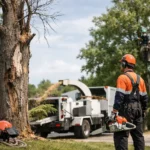
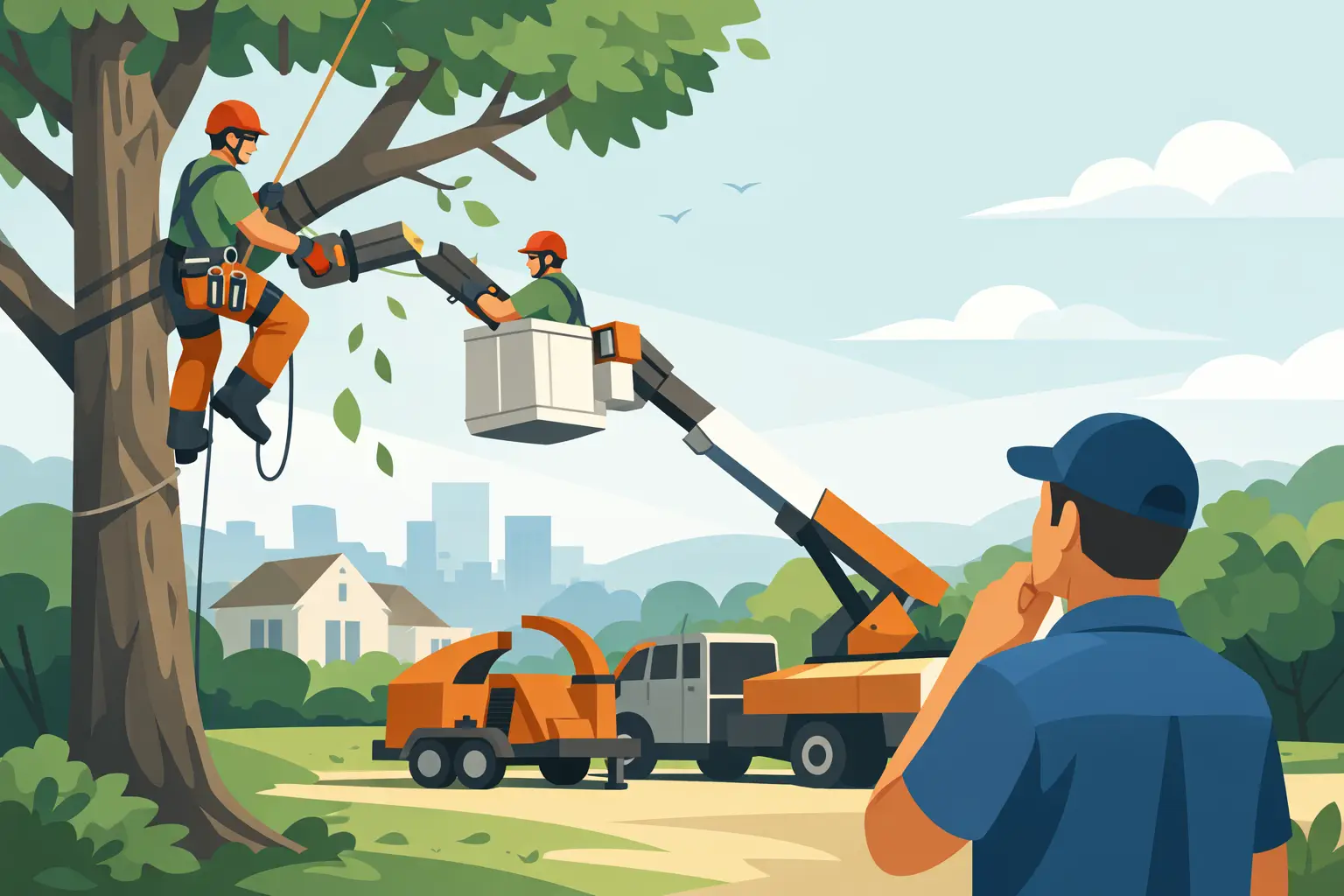
Removal becomes the practical option when a tree is dead, severely diseased, structurally unsound, unsuitable for its location or preventing necessary development. Technical removals may involve dismantling the tree in controlled sections, using ropes, elevated work platforms or cranes where access and risk demand it. This is precise work, especially in tight residential sites.
Cabling and bracing can sometimes extend the useful life of a tree with a weak union or valuable feature limb. It is not a cure for every defect, and it needs ongoing inspection, but it can be worthwhile where retention is safe and practical. A formal assessment helps determine whether support, pruning, monitoring or removal is the responsible course.
What safe tree work looks like on site
Professional tree work should feel organised from the outset. Before work begins, the crew should assess access, establish exclusion zones, identify hazards and confirm how material will be removed. This protects residents, neighbours, workers, vehicles and the property itself.
The method matters as much as the machinery. Maintained chainsaws, chippers, rigging gear and access equipment help work progress efficiently, but they must be matched to the site. A narrow driveway, steep section, soft lawn or limited rear access can change the safest approach and affect how debris is handled.
Ask how the team will protect gardens, paving and lawns, particularly where heavy branches or machinery need to move through the site. On commercial or development projects, request clear documentation around safety systems, insurance and scheduling. Credentials such as SiteWise Gold 100% provide useful assurance that health and safety is treated as a core operating standard, not an afterthought.
At Tree Technician, health and safety is in our DNA. That means planning each job around the real conditions on site, using suitable equipment and leaving the work area clean and manageable once the job is complete.
Protected trees and consent requirements
Before pruning or removing a significant tree, check whether it is protected by local planning rules, district plan provisions or resource consent conditions. Protections can apply because of a tree’s location, species, size, heritage value or contribution to the landscape. They may also be attached to a subdivision or development approval.
The rules are not always straightforward. Work that seems minor – including substantial pruning, root disturbance or removing a limb – may require approval. Acting first and checking later can result in delays, enforcement action or expensive remediation.
Consultancy arboriculture is especially valuable where a project involves protected trees, construction near root zones, land development or competing requirements between safety and retention. A written tree assessment or management plan can explain the condition of the tree, identify risks and set out practical recommendations that support a consent application, maintenance programme or site plan.
Think beyond the cut: roots, waste and future growth
A tree’s roots are often more important than what you can see above ground. Excavation, trenching, new paving, soil compaction and changes to drainage can all affect tree stability and health. If you are planning a shed, driveway, retaining wall or building extension near established trees, seek advice early rather than after roots have been damaged.
The same forward thinking applies after removal. Stump grinding can free up space for replanting, turf, paving or construction, but the depth and location required will depend on what comes next. Wood chipping may provide useful mulch on site, while larger-scale clearing needs a plan for efficient processing, removal and site reinstatement.
Replacement planting is worth considering where a mature tree must come down. The best species is not always the fastest-growing one. Choose for the available space, soil, exposure, future height, root behaviour and maintenance needs. A smaller, well-sited tree is usually a better long-term result than a large species forced into a confined space.
Choosing a provider with confidence
The cheapest quote is not always the lowest-cost outcome. Tree work can vary significantly depending on access, traffic management, machinery, waste removal, stump treatment, protected-tree requirements and the level of risk involved. A clear quote should explain the scope of work, what will happen to green waste and whether site cleanup is included.
Look for a provider with demonstrated arboricultural experience, appropriate insurance, trained staff and a strong safety record. For complex jobs, it is reasonable to ask how the tree will be accessed, whether work will be completed in sections, and what safeguards will be used around buildings and services.
The right arborist will be direct about the trade-offs. Sometimes a tree can be retained with ongoing maintenance. Sometimes removal is the safest call. Either way, sound advice gives you a practical path forward and the confidence that the work will be completed properly.
If a tree is worrying you, do not wait for the next storm to make the decision for you. A professional assessment can turn an uncertain situation into a clear, safe plan for your property.