A mature tree can add shade, shelter, privacy and real value to a property. But when it starts leaning, dropping limbs, interfering with a build, or sits within protected-tree rules, a quick look from the ground is rarely enough. Tree consultancy gives property owners a clear, practical way to understand what is happening, what needs action, and what can be managed over time.
For homeowners, developers, rural landholders and commercial property managers, the right advice can prevent an avoidable failure, costly project delays or unnecessary tree removal. It is about making sound decisions based on the tree, the site and the people or assets around it.
What does tree consultancy involve?
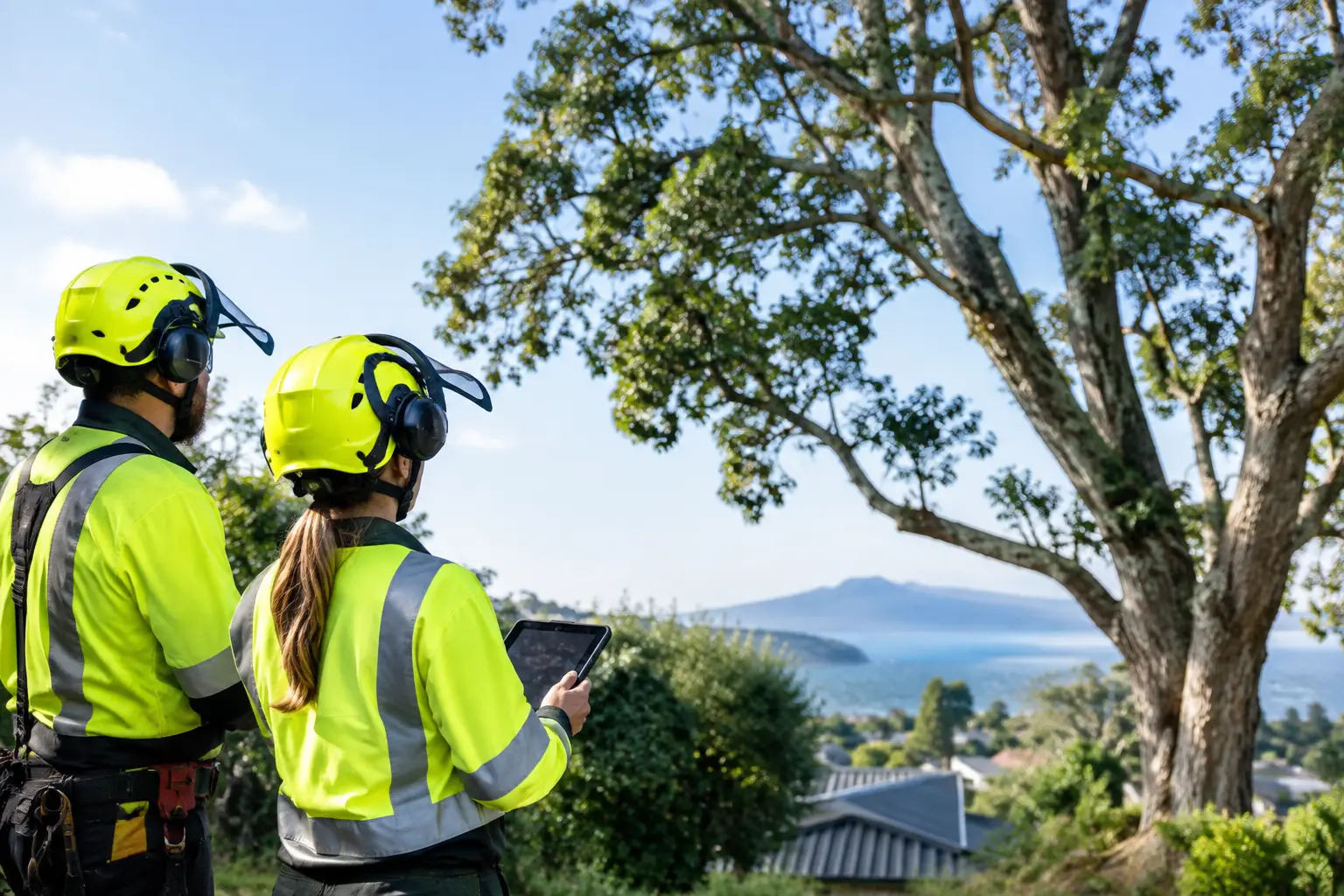
Tree consultancy is professional arboricultural advice for situations where a tree needs more than routine pruning or removal. A consultant assesses the condition, structure, location and likely future of a tree, then provides recommendations that are appropriate for the site.
That may involve identifying defects in a trunk or major limb, assessing whether a tree presents an unacceptable risk, preparing a report for a consent application, or creating a management plan for a group of trees. The work combines practical field knowledge with an understanding of tree biology, safety requirements and local regulatory processes.
A good assessment does not assume every large or old tree is dangerous. Nor does it treat every visible issue as minor. Trees can carry internal decay while looking healthy from one side, while a dramatic-looking hollow may be stable for years with the right management. The aim is proportionate advice that reflects the actual risk, rather than a one-size-fits-all answer.
When should you arrange a tree consultancy?
The best time to seek advice is before a concern becomes urgent. If a tree is close to a home, driveway, public area, power infrastructure, neighbouring property or planned worksite, early assessment gives you more options.
Storm damage is an obvious trigger. A split limb, lifted root plate, fresh lean or hanging branch should be treated seriously, particularly where people, vehicles or buildings could be affected. Emergency work may be needed to make the site safe first, followed by a fuller inspection to determine whether the remaining tree can be retained.
Less obvious warning signs also deserve attention. These include mushrooms or fungal growth around the base, cracking in major unions, dead branches in the upper canopy, soil heave, sudden canopy thinning, cavities, repeated limb loss or roots affected by excavation. None of these signs automatically means a tree must come down, but they warrant informed assessment.
Consultancy is also valuable before construction, subdivision, landscaping or land clearing. Heavy machinery, grade changes, trenching and compaction can seriously affect a tree’s root zone. Damage may not show immediately, then becomes apparent years later through decline or structural failure. Planning tree protection measures before work begins is usually far easier than dealing with a compromised tree after the fact.
A hazard assessment is about risk, not fear
Every tree has some possibility of branch or whole-tree failure. The useful question is whether that possibility creates a level of risk that requires action. A small dead branch over an unused paddock is different from the same branch over a school entrance, car park or family deck.
A hazard assessment considers both the likelihood of failure and the consequence if it occurs. The consultant will look at structural features such as codominant stems, included bark, decay pockets, root condition, previous pruning wounds and canopy loading. They will also consider wind exposure, soil conditions, drainage, nearby targets and how often people use the area.
Recommendations may include targeted pruning to reduce loading, removal of deadwood, cabling and bracing for suitable trees, exclusion zones, regular monitoring or removal where retention is no longer reasonable. Sometimes the right result is simply documented reassurance and a review interval. That can be valuable for a property manager or owner who needs a defensible maintenance decision.
It depends on the species, age, condition and location of the tree. A solution that is sensible for a sheltered garden specimen may not be suitable for a mature tree exposed to Canterbury winds on a busy commercial site.
Reports that support informed decisions
Formal arboricultural reports are useful where a decision needs to be recorded, explained or shared with others. Developers may need them to support planning and design decisions. Body corporates and commercial managers may need a clear maintenance record. Homeowners may need advice when a neighbour raises a concern or when a protected tree is involved.
A well-prepared report should describe the tree and its condition in plain language, identify relevant concerns, explain the assessment findings and set out practical recommendations. It may also include photographs, locations, priority timeframes and management options.
Clear reporting matters because it creates a trail of responsible action. If maintenance is recommended, the owner can organise it with confidence. If monitoring is appropriate, there is a defined reason and timeframe rather than an issue being forgotten until the next storm.
Protected trees and consent considerations
Some trees are subject to planning controls or other protections. These rules can vary by location and may apply to individual listed trees, notable trees, trees within particular zones or areas with environmental value. Work without the right approval can lead to unnecessary disruption and potential compliance issues.
Before pruning, removing or carrying out construction near a protected tree, it pays to establish what rules apply. A consultancy arborist can assess the tree, identify the proposed works and prepare information that helps support an application where one is required. This is particularly helpful when project timing matters and several parties are involved.
Protection does not mean a hazardous tree must be left untouched. It means the work needs to be properly justified, planned and completed with care. In many cases, sensitive pruning, root-zone protection or revised construction methods can retain the tree while still allowing the project to move ahead.
Management plans make large sites easier to run
For schools, farms, lifestyle blocks, retirement facilities, commercial grounds and developments with many established trees, managing issues one callout at a time can become inefficient. A tree management plan provides a more organised approach.
It can record the tree population, identify higher-priority risks, set inspection intervals and outline maintenance works over a realistic timeframe. That helps owners budget, schedule work around site operations and avoid being caught out by predictable problems such as overdue deadwood removal or clearance requirements.
Management plans also support better environmental outcomes. Not every declining tree needs immediate removal, and not every site needs to be cleared for convenience. Retaining suitable mature trees, establishing replacement planting and creating sustainable woodland areas can improve shelter, amenity and habitat. The practical balance is to keep trees that are suitable for their setting while acting decisively on those that are not.
What a site visit should give you
A professional consultation should leave you with more than technical terminology. You should understand the condition of the tree, the urgency of any work, the likely options and the next sensible step.
Site access, underground services, neighbouring boundaries, power lines and available machinery all influence how recommendations are carried out. This is why hands-on arboricultural experience matters. Advice needs to work in the real world, not just read well in a report.
At Tree Technician, consultancy work is backed by practical tree-care capability, maintained equipment and a safety-first approach developed through decades in the industry. Where work is needed, the team can move from assessment to carefully planned pruning, removal, bracing, stump work or site clean-up without losing sight of the original objective.
Choose early advice over late reaction
Trees often give warning signs, but they do not always give much notice. Seeking expert advice early can protect people, property and the long-term value of a healthy tree. Whether you are managing one established garden tree or a large development site, a considered assessment turns uncertainty into a workable plan.
For practical arboricultural advice, hazard assessment or a tailored tree management plan, contact Tree Technician at the bottom of the page.
www.treetechnician.co.nz