A tree removal crew cannot safely start work if the only access is through a locked side gate, vehicles are parked beneath the canopy, or children and pets are moving around the work area. Taking a little time to prepare for tree removal protects people, prevents delays and helps the job run cleanly from the first cut to the final tidy-up.
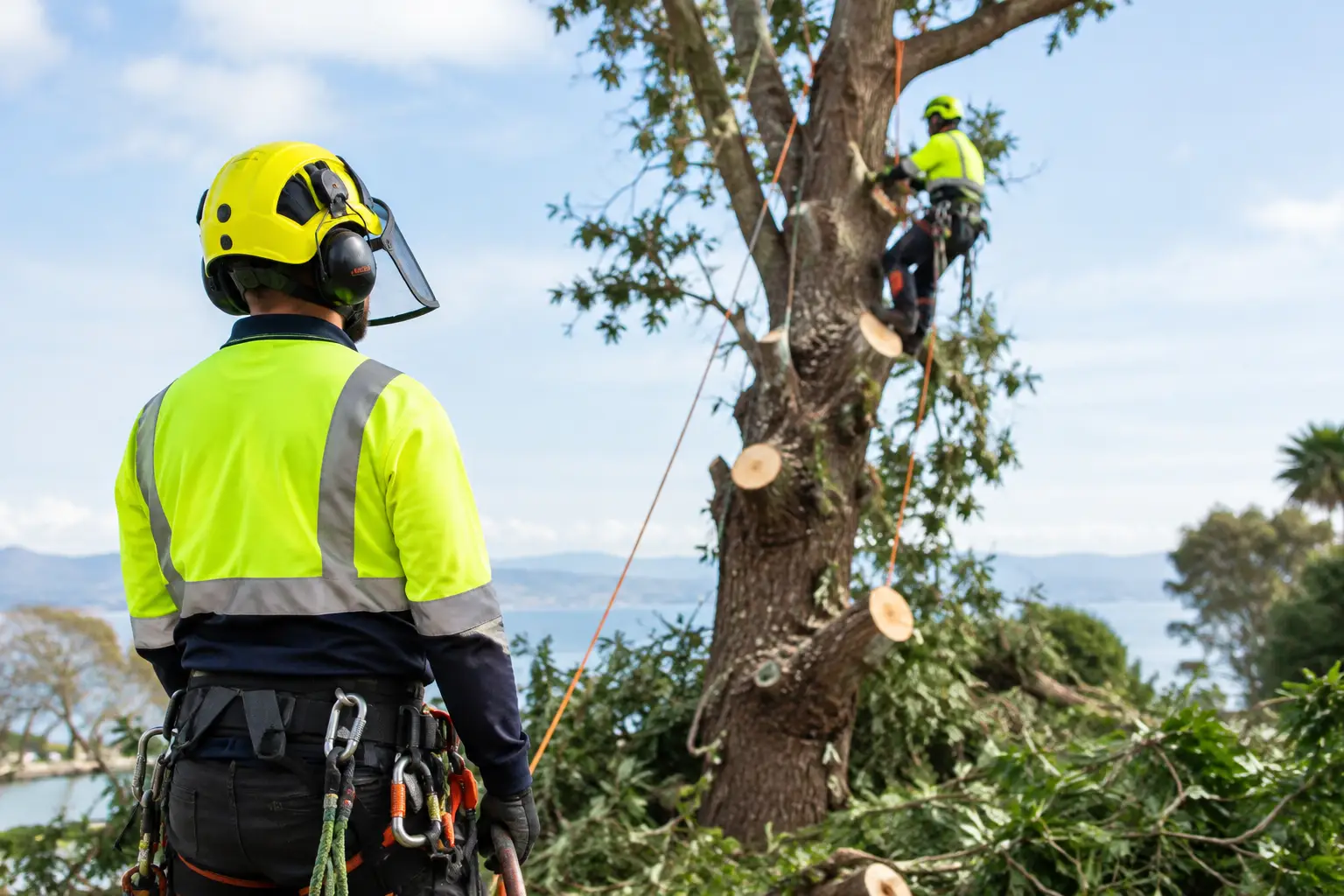
Tree removal is not simply a matter of cutting down a trunk. The team needs to assess the tree’s structure, nearby buildings, overhead services, access routes, ground conditions and the safest method for lowering branches and timber. On tight residential sites, work is often completed in carefully controlled sections rather than by felling the whole tree at once.
Before You Prepare for Tree Removal, Confirm the Scope
Start by making sure everyone understands what is being removed and what will remain. Confirm the tree or trees, the approximate work area, whether branches are being reduced before removal, and how timber, mulch and green waste will be handled. If you would like logs left for firewood, woodchip retained for garden paths, or all material removed from site, raise it before work is booked.
Stump treatment is a separate consideration. Removing a tree to ground level leaves the stump and root plate in place. Stump grinding can clear the visible stump for a lawn, garden bed, fence line or future planting, but it produces grindings that need a plan as well. Ask whether the stump will be ground, how deep, and whether surface roots are included where practical.
For commercial sites, developments and shared properties, nominate one person who can make decisions on the day. Clear instructions help avoid hold-ups where access, site boundaries or disposal arrangements need confirmation.
Check Consent, Protected Trees and Site Rules
Do not assume a tree can be removed just because it sits within your boundary. Some trees may be protected through district plan rules, consent conditions, heritage schedules or subdivision requirements. Trees near waterways, road reserves and neighbouring land can also bring additional obligations.
Your arborist can identify issues that may need further investigation, but the property owner or project manager should allow enough time for any required approvals. Removing or heavily pruning a protected tree without permission can create avoidable compliance problems.
If the tree is close to power lines, do not attempt to trim it yourself or ask a general contractor to do so. Work around electrical assets requires the right planning, clearances and, in some cases, a suitably authorised provider. Tell the tree team about overhead lines, service cables, solar panels, underground irrigation, septic systems and drainage before they arrive.
Create Safe Access for People and Equipment
Good access is one of the biggest factors in an efficient removal. A crew may need room for a chipper, truck, ute, trailer, elevated work platform or other specialist equipment. On larger trees, machinery reduces manual handling and helps move timber safely, but only if there is a suitable route to the work zone.
Before the scheduled date, unlock gates and remove any obstacles from the access path. Move pots, outdoor furniture, toys, hoses, bins and garden ornaments away from the tree and from likely travel routes. Where possible, clear a path wide enough for equipment without forcing the team to brush past fragile landscaping, fences or parked vehicles.
Move cars out of driveways and away from the canopy, including vehicles normally parked on the street near the work site. Branches can be lowered with ropes, but a clear landing and loading area gives the crew more control. If the work requires temporary access across a shared driveway or neighbouring land, organise permission well before the day.
Wet ground deserves special attention. Canterbury weather can change quickly, and heavy machinery on saturated lawns may cause ruts or compaction. In some cases, ground protection mats, a different access route or a rescheduled date is the sensible option. A professional team will balance getting the job done efficiently with avoiding unnecessary damage to your property.
Keep Family, Pets and Neighbours Clear
Tree removal has a changing exclusion zone. Branches, ropes, machinery and timber can move through areas that appear safe from a distance, so the worksite needs to be treated as off-limits throughout the job.
Keep children indoors or away from the property until the crew advises that work is complete. Secure dogs, cats and livestock in an enclosed area well away from gates, driveways and the removal zone. A frightened dog escaping through an open gate is a risk nobody needs while machinery is operating.
A short conversation with immediate neighbours is good practice, particularly where the tree overhangs their boundary, work access is close to their driveway, or chipper noise may affect them. Let them know the expected date and that there may be temporary noise, vehicle movements and workers on site. They will appreciate the notice, and it can prevent a vehicle being left directly under the tree.
If a footpath, shared accessway or road frontage is involved, do not try to manage pedestrian or vehicle traffic yourself. The work may require formal traffic management. The contractor should assess this as part of the job planning.
Protect What Matters on the Ground
Point out features that could be damaged or easily overlooked. This includes garden beds, irrigation heads, low retaining walls, glasshouse panels, outdoor power points, washing lines, play equipment and newly planted shrubs. Marking underground services or discussing their location before equipment arrives is far easier than repairing an accidental strike later.
A good removal plan protects nearby structures, but no tree work is completely free of disturbance. Woodchip, sawdust and small twigs are part of the process, especially on windy days. Covering delicate outdoor furniture and closing nearby windows can be worthwhile. If you have a rainwater tank, pool or pond close to the tree, mention it during the quote so the team can plan appropriate protection.
For trees near roofs, sheds or fences, avoid placing valuable items inside directly beneath the work area. The removal crew will use controlled lowering techniques where needed, yet giving them clear space improves both safety and efficiency.
Know What Will Happen on the Day
On arrival, the crew should inspect the site again, confirm the plan and set up an exclusion zone. Conditions can change between quoting and the work date. Wind, rain, vehicle access, ground stability, new building work or a newly noticed defect in the tree may mean the method needs to be adjusted.
You do not need to stand outside and supervise the work. In fact, it is safer to let the crew get on with it. Be available by mobile for questions, then keep clear unless invited into a safe area for a site discussion. If you need to leave during the day, provide a contact number and make sure any agreed access arrangements are in place.
Tree removal can be noisy. Chainsaws, chippers and machinery are necessary tools, and the duration depends on the tree’s size, condition, access and how much material is being processed on site. A small ornamental tree may be completed quickly; a large, decayed tree near a house may require careful sectional dismantling over much of the day. Rushing is not the answer when safety is involved.
Plan the Clean-Up and the Next Step
Clarify what “clean” means for your job. Most professional removals include collecting the main debris and leaving the site tidy, but it is sensible to confirm whether timber is removed, logs are stacked, mulch is retained, and rake-up includes fine material from lawns or garden beds.
After removal, inspect the area with the team if you can. Check gates, fences, paths and garden edges, and raise any questions before equipment leaves site. If a stump has been retained, consider how it affects mowing, drainage, future planting and construction plans. New trees should not be planted directly into old stump grindings, as the material breaks down differently from normal soil and may need to be removed or improved first.
The best preparation is simple: provide honest site information, clear a safe route, keep people and animals out of the work zone, and leave the technical decisions to qualified arborists. That gives the crew the space to work properly and gives you a safer, cleaner result.
For practical tree removal planning, hazard assessment and professional site care, visit www.treetechnician.co.nz