A section covered in gorse, self-seeded trees and old stumps can hold up a building programme before the first peg is set. Land clearing is not simply a matter of cutting vegetation down. Done properly, it prepares the site for its next use while protecting people, neighbouring property, soil, drainage, wetlands and any trees worth retaining.
For a homeowner, that may mean creating usable space around a new build or reclaiming an overgrown boundary. For a developer, rural landholder or property manager, it may involve clearing accessways, fence lines, future building platforms or unmanaged shelterbelts. Each site has different constraints, so the safest and most efficient approach begins well before machinery arrives.
Start with the purpose of the cleared site
The right scope depends on what the intended use for the land is afterwards. Preparing a site for construction is very different from opening ground for grazing, access, firebreaks or landscaping. Clearing everything without a plan often creates unnecessary cost and leaves the ground harder to manage.
A clear brief identifies what will be removed, what is to be retained and what is to be protected. It should also consider access for machinery, where material can be processed, the condition of the ground and whether the work needs to be completed in stages. On a tight residential section, the practical priority may be protecting fences, paving, services and garden features. On a larger rural block, it may be maintaining access through soft ground and keeping stock or public areas safely separated from the work zone.
Retaining the right trees can improve shelter, privacy, site appearance and long-term value. Mature trees may also support slope stability and drainage. The question is not always, “What can be removed?” It is often, “What needs to stay, and how can the site work better around it?”
Check trees, services and site rules before work begins
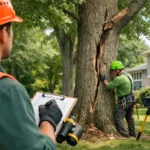
Before clearing starts, a competent contractor assesses the vegetation and the risks around it. Dead, leaning, storm damaged or diseased trees require a different approach from small scrub. Large limbs can be under tension, and trees close to homes, sheds, powerlines or roads may need technical dismantling rather than ground level felling.
Underground and overhead services must be identified early. Water, power, fibre, drainage and irrigation lines can all be affected by stump removal and machinery movement. Overhead lines deserve particular care, especially where branches have grown into or near the corridor. Guessing is not a safe system.
Council requirements may also apply. Some trees are protected, subject to planning conditions, or located in areas where clearance affects watercourses, slopes or neighbouring properties. Rules vary by location and project type, so it pays to check before committing to a start date. A formal arboricultural assessment may be required where significant trees, development approvals or potential hazards are involved.
This upfront work may feel slower than bringing in a chipper straight away, but it prevents the expensive kind of delay: damaged services, avoidable consent issues, site injuries or a tree removed when it should have been managed differently.
Safe land clearing in Canterbury needs the right method
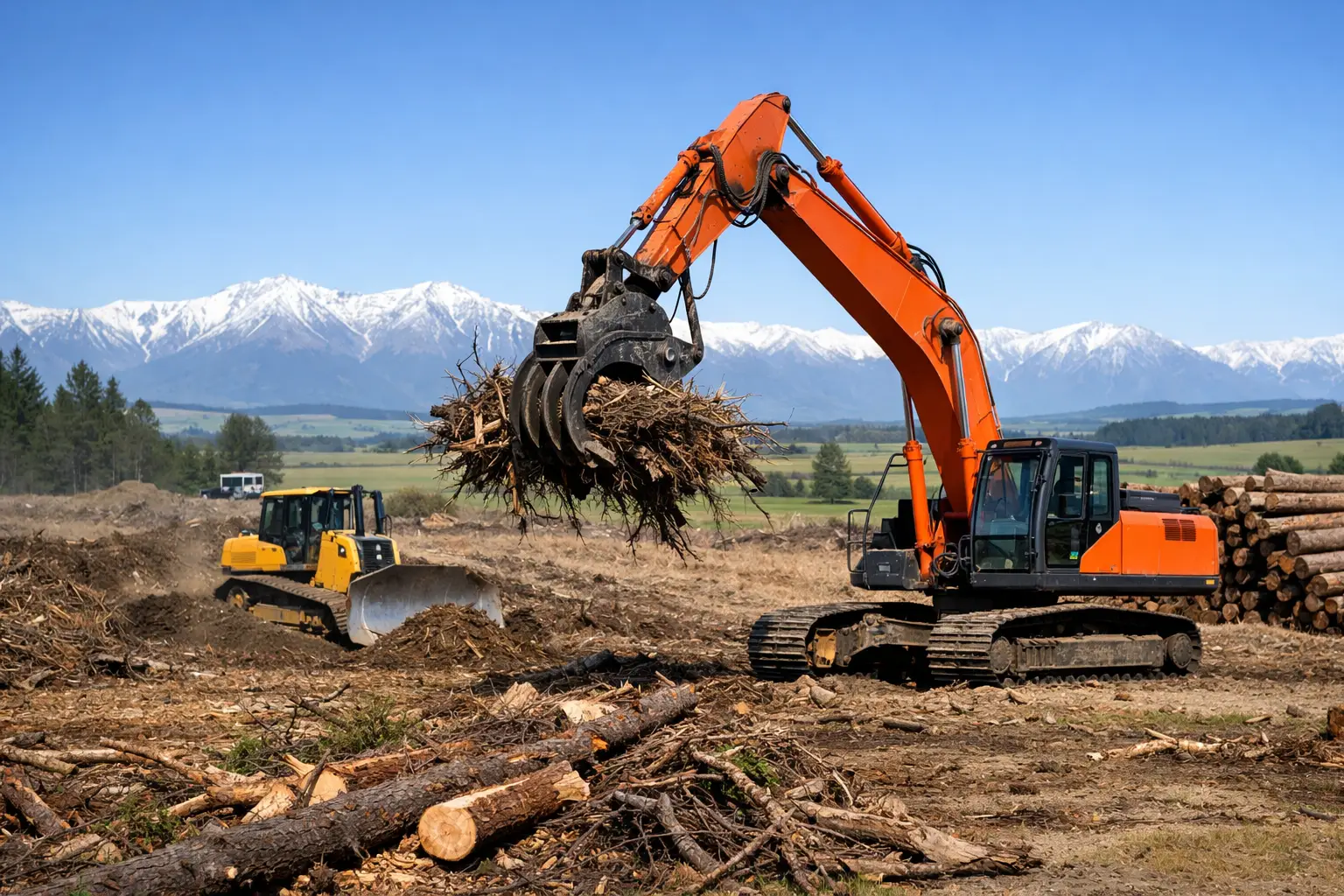
There is no single machine or cutting technique that suits every property. Equipment choice should follow the site assessment, not the other way around. A narrow urban section may call for climbing, controlled lowering and compact machinery. Open ground with accessible scrub may be cleared more efficiently with larger equipment and a planned processing area.
Professional clearance usually involves several tasks: vegetation removal, sectional tree dismantling where required, chipping, log handling, stump grinding and site clean up. The order matters. Removing a tree before creating a safe drop zone, for example, can make the rest of the work unnecessarily difficult.
Health and safety is critical to good safe trees work, because shortcuts have severe consequences. At Tree Technician safety is firmly in our DNA. Operators need to be trained and competent to task, have certified maintained equipment, suitable personal protective gear, exclusion zones and a clear understanding of how the site will be controlled. On commercial and development sites, this also means coordinating with other Subcontractors, trades, residents, tenants or delivery vehicles so people are not walking through an active work area.
All machinery handling trees need to have current certification. An earthmoving excavator typically cannot process trees legally as they are not certified to do so.
Weather can change the plan too. Canterbury winds can make aerial work and directional felling unsuitable, while wet ground can restrict machinery access or increase the risk of soil damage and creating muddy areas with risk of contaminating natural water ways/ drains. A reliable contractor will cease activities when conditions call for a pause or a different approach rather than pressing on for the sake of the schedule such as track mats, spread of mulch to operate on.
Decide what happens to green waste and timber
A cleared site should not be left with heaps of branches, logs and shredded material unless that has been agreed as part of the plan. Disposal and reuse are apart of a well-managed land clearing job.
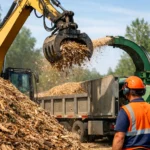
Wood chipping can reduce bulky vegetation quickly and may provide useful mulch for suitable areas of the property. However, mulch is not always the right answer. Thick layers can be impractical on future building areas, can interfere with earthworks and may not suit material affected by pests or disease. Some timber can be retained for firewood or habitat use where appropriate, while other material needs to be removed and processed responsibly.
Stumps deserve an early decision as well. Leaving them in place may be acceptable in a non-accessible boundary area, but they can hinder mowing, fencing, planting, construction and future drainage work. Stump grinding removes the visible obstruction and helps return the area to usable ground. Full stump and root removal may be necessary for some construction projects, though it is more disruptive and should be coordinated with the wider earthworks plan.
The finish should match the next trade or the next use. A developer may need clear access and a tidy, debris-free platform. A homeowner may want a level, presentable garden area ready for planting. A rural client may need a cleared line that can be maintained easily afterwards.
Protect soil, drainage and retained vegetation
Land clearance can create problems if bare ground is left exposed or if machinery is used without care. On sloping sites, removing vegetation may change how water moves across the property. Soil can wash into drains and waterways contaminating them causing environmental issues, while heavy equipment can compact ground that needs to support future planting.
Practical controls include working from designated access routes, avoiding unnecessary traffic over soft areas and retaining vegetation where it provides useful stabilisation. If a tree is being kept, its root zone needs protection from vehicle movement, stockpiles and excavation. Damage below ground is easy to miss at first, yet it can lead to decline or instability months later.
For water contamination, we need to block or divert the runoff using physical barriers like silt fences, sandbags, straw bales, clear blocked sumps and cover bear earth.
Boundary work also needs thoughtful planning. Trees and hedges can screen neighbours, shelter animals act as sound barriers and define property edges. Removing them can alter privacy, wind exposure, create noise pollution and views immediately. A staged approach, replacement planting or selective thinning may produce a better result than complete removal.
When clearing is part of a larger project
The most successful projects treat vegetation clearance as the first stage of site preparation, not an isolated task. Builders, landscapers, surveyors, fencing contractors and earthmoving crews all benefit when the clearance team understands what comes next.
For example, access needs to be wide enough for later vehicles, but there is little value in clearing extra ground that will never be used. A new fence line may require stump grinding along its full run. A building platform may need specific trees retained for consent or landscape reasons. Communicating these details early prevents double handling and protects the programme.
For larger sites or complex tree populations, a tree assessment and management plan can clarify priorities. It records tree condition, potential hazards, recommended works and retention measures. This is particularly useful for commercial properties, schools, lifestyle blocks and developments where decisions need to be documented and defensible.
Tree Technician brings arboricultural judgement, specialist equipment and a safety-led approach to clearance projects across Canterbury. That combination matters when the job involves more than simply making vegetation disappear.
Plan for the site after clearance
Clearing creates an opportunity, but open ground soon becomes overgrown again if it is not managed. A simple follow-up plan may include new planting, mulching, grass establishment, fence repairs, drainage work or scheduled maintenance of retained trees and hedges.
If the original vegetation included invasive species or fast-regenerating scrub, ask how regrowth will be handled. Cutting alone may not prevent it returning. The right approach depends on the species, the season, the intended land use and whether follow-up work is practical for the property owner.
A well-cleared site should feel safer, easier to access and ready for its next purpose, not stripped bare and full of new problems. Start with a proper assessment, make space for the work to be done safely, and leave the ground in a condition that supports what you want to build, plant or develop next.